If your remote blood sugar monitoring through Cadence has recently ended, you may be wondering what comes next.
After remote monitoring ends, you should continue taking your diabetes medications as prescribed and follow healthy habits like balanced eating and regular activity. Contact your doctor if your blood sugar levels are outside your target range or if you feel unwell.
You have worked hard to keep your blood sugar in a healthy range. Managing type 2 diabetes is an ongoing process. Even though Cadence may no longer be receiving your readings, taking care of your blood sugar remains very important.
How Can I Keep My Blood Sugar Under Control After Remote Monitoring Ends?
The same habits that helped you reach your goal will help you stay there.
Eat balanced meals with consistent carbohydrates
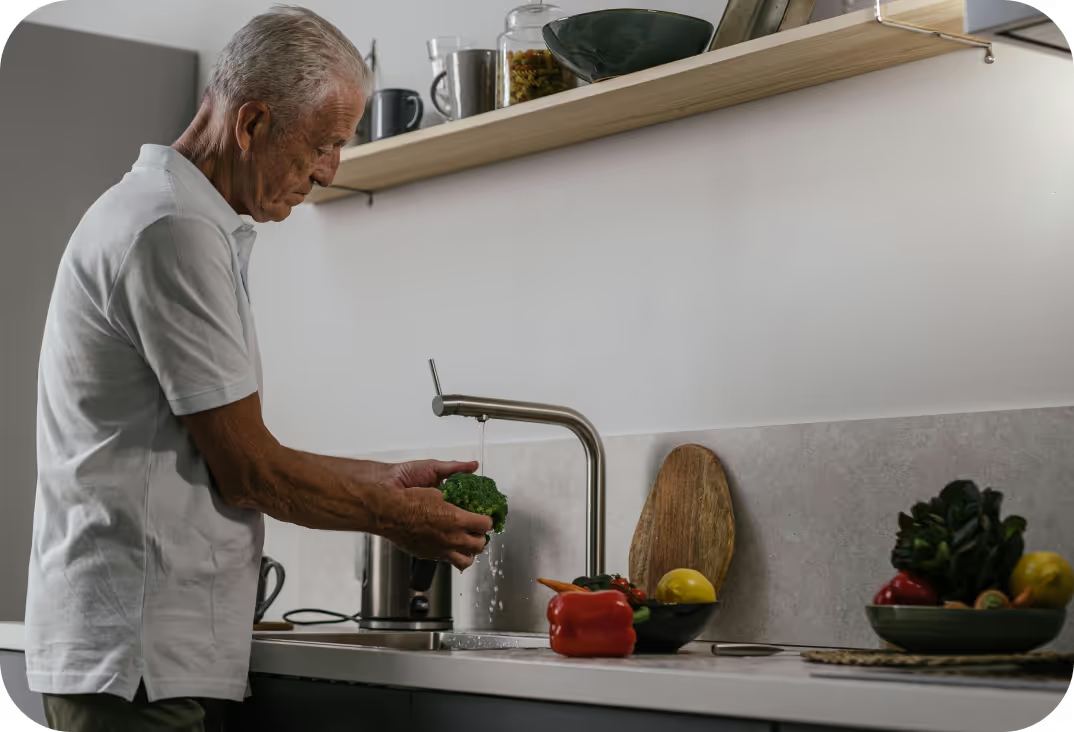
Try to eat regular meals each day. Choose foods like vegetables, lean protein, whole grains, and healthy fats. Try to limit sugary drinks, sweets, and highly processed foods. Keeping carbohydrates consistent from meal to meal can help prevent big swings in blood sugar.
For more meal ideas you can easily make at home, check out Diabetes-Friendly Eating: 3 Quick and Healthy Dinners to Control Blood Sugar. These simple dinners are designed to support your blood sugar goals without extra fuss in the kitchen.
Stay active most days of the week
Movement helps lower blood sugar and improves how your body uses insulin. A short walk after meals, light stretching, gardening, or other gentle activities can make a difference.
Maintain a healthy weight
If your doctor has discussed weight goals with you, even small changes can improve blood sugar levels. Focus on steady, realistic progress.
Take medications exactly as prescribed
Diabetes medications work best when taken consistently. Do not stop or change your medications unless your doctor tells you to.
Monitor your blood sugar if recommended
If your clinician has advised you to check your blood sugar at home, continue as directed. Tracking your numbers can help you and your provider spot changes early.
Prioritize sleep and manage stress
Poor sleep and stress can raise blood sugar. Try to keep a regular sleep schedule. Deep breathing, time outdoors, or talking with someone you trust can help manage stress.
Continue Taking Medications as Prescribed
Take your diabetes medications exactly as directed. Even if your blood sugar has been stable, do not stop or adjust medications without speaking to your doctor.
If you have side effects or concerns, contact your provider before making changes.
When Should I Call My Doctor About Type 2 Diabetes?
Call your doctor if:
- Your blood sugar readings are consistently higher or lower than your target range
- You feel shaky, sweaty, confused, or unusually tired
- You have frequent urination, increased thirst, or blurred vision
- You have questions about your diabetes medications
If something does not feel right, call.
Keep Moving Forward
Reaching your blood sugar goal is an important step. Maintaining it takes ongoing attention.
Your primary care team remains your main source of support. If your health needs change in the future, remote monitoring may be an option again.
The habits you’ve built make a real difference. Keep going.
Frequently Asked Questions
Can type 2 diabetes go away?
Type 2 diabetes is usually a long-term condition. Some people are able to improve their blood sugar levels with lifestyle changes and medication, but ongoing care is still important.
Why did my remote blood sugar monitoring end?
In many cases, remote monitoring ends because health plan coverage changes after a period of stable readings. This does not mean your diabetes has gone away. Managing blood sugar remains important.
What should I do if my blood sugar levels rise again?
If your readings are outside your target range or you begin feeling unwell, contact your doctor. Your care team can review your medications and next steps. Remote monitoring may be an option again if your needs change.
Please contact your insurance provider with specific questions about billing or insurance.
Any information provided on this website is intended for general educational purposes and is not intended to be medical advice. You should always consult with your own medical provider about your health and medical questions and never rely on this or any other website alone to make medical decisions. Do not delay seeking medical advice or disregard any medical advice you have received from your provider because of anything you read on the website.