If your remote heart failure monitoring through Cadence has recently ended, you may be wondering what comes next.
After remote monitoring ends, you should continue taking your heart medications exactly as prescribed, follow your care plan, and watch for changes in your weight or symptoms. Contact your doctor right away if you notice sudden weight gain, increased swelling, or shortness of breath.
You have worked hard to manage your heart failure. Even though Cadence may no longer be receiving your readings, taking care of your heart remains very important.
Heart failure is a long-term condition. Ongoing daily habits and close communication with your care team help prevent flare-ups and hospital visits.
How Can I Manage Heart Failure After Remote Monitoring Ends?
The same steps that helped keep you stable will help you continue moving forward.
Take your heart medications exactly as prescribed
Heart medications help your heart pump more effectively and reduce fluid buildup. Do not stop or change medications unless your doctor tells you to.
If you have side effects or concerns, call your provider before making changes.
Limit salt and avoid processed foods
Too much salt can cause your body to hold onto fluid. This can make swelling and shortness of breath worse. Try cooking at home when possible and choosing low-sodium foods.
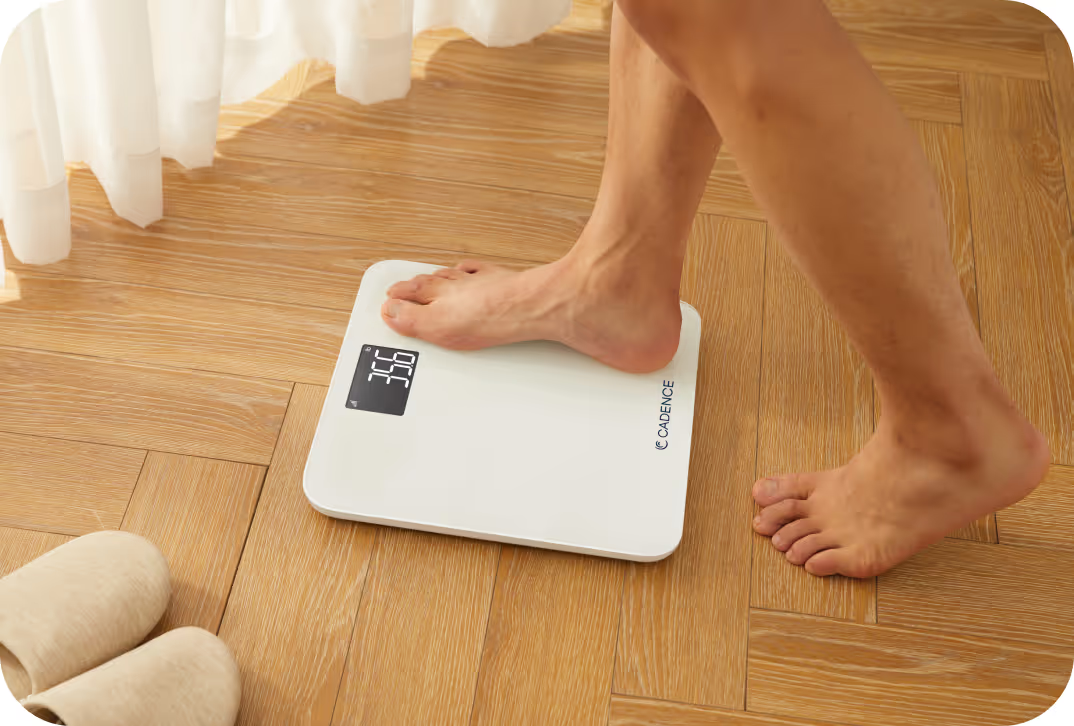
Weigh yourself regularly if recommended
Sudden weight gain can be a sign that your body is holding extra fluid. If your doctor has told you to track your weight, continue doing so and report changes as directed.
Stay active as tolerated
Gentle movement helps keep your body strong. Short walks, light stretching, or simple household tasks can help. Rest when you need to.
For ideas, check out 10-Minute Seated Stretch Routine for Improved Mobility. These simple, chair-friendly stretches can help improve mobility and comfort without overexertion.
Limit fluids if recommended
Some people with heart failure are advised to limit how much fluid they drink each day. Follow your clinician’s instructions carefully.
Avoid smoking and limit alcohol
Smoking and heavy alcohol use can worsen heart failure. Follow your doctor’s guidance.
Pace yourself and prioritize rest
Listen to your body. Spread activities throughout the day and take breaks when needed.
When Should I Call My Doctor About Heart Failure?
Call your doctor if you notice:
- A weight gain of 2–3 pounds in one day or 5 pounds in one week
- Increased swelling in your legs, ankles, or abdomen
- More shortness of breath, especially at rest or when lying down
- Chest discomfort, dizziness, or feeling unwell
- Questions about your medications or symptoms
If your symptoms feel severe or sudden, seek medical care right away.
Keep Moving Forward
Managing heart failure takes ongoing attention. Even after remote monitoring ends, your primary care team remains your main source of support.
If your health needs change in the future, remote monitoring may be an option again.
The daily steps you take matter. Staying consistent helps protect your heart and your overall well-being.
Frequently Asked Questions
Can heart failure get worse after it has been stable?
Yes. Heart failure can change over time. Even if your symptoms have been stable, flare-ups can happen. That is why daily habits and regular medical visits are important.
Why did my remote heart failure monitoring end?
In many cases, remote monitoring ends because health plan coverage changes after a period of stability. This does not mean your heart failure has gone away. Ongoing care remains important.
What should I do if my symptoms return?
If you notice sudden weight gain, swelling, shortness of breath, or other new symptoms, contact your doctor right away. Early action can help prevent complications.
Please contact your insurance provider with specific questions about billing or insurance.
Any information provided on this website is intended for general educational purposes and is not intended to be medical advice. You should always consult with your own medical provider about your health and medical questions and never rely on this or any other website alone to make medical decisions. Do not delay seeking medical advice or disregard any medical advice you have received from your provider because of anything you read on the website.