
Always-on, proactive care designed for you
Home monitoring services offers personalized healthcare support whenever you need it, 24/7.


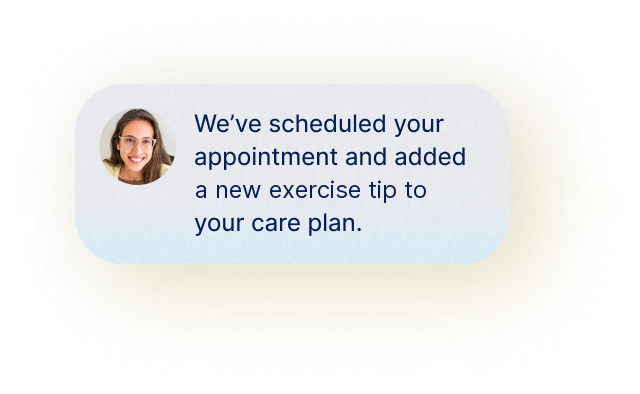

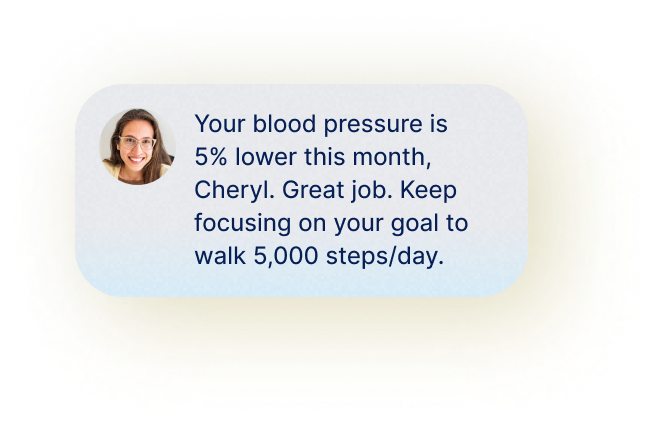

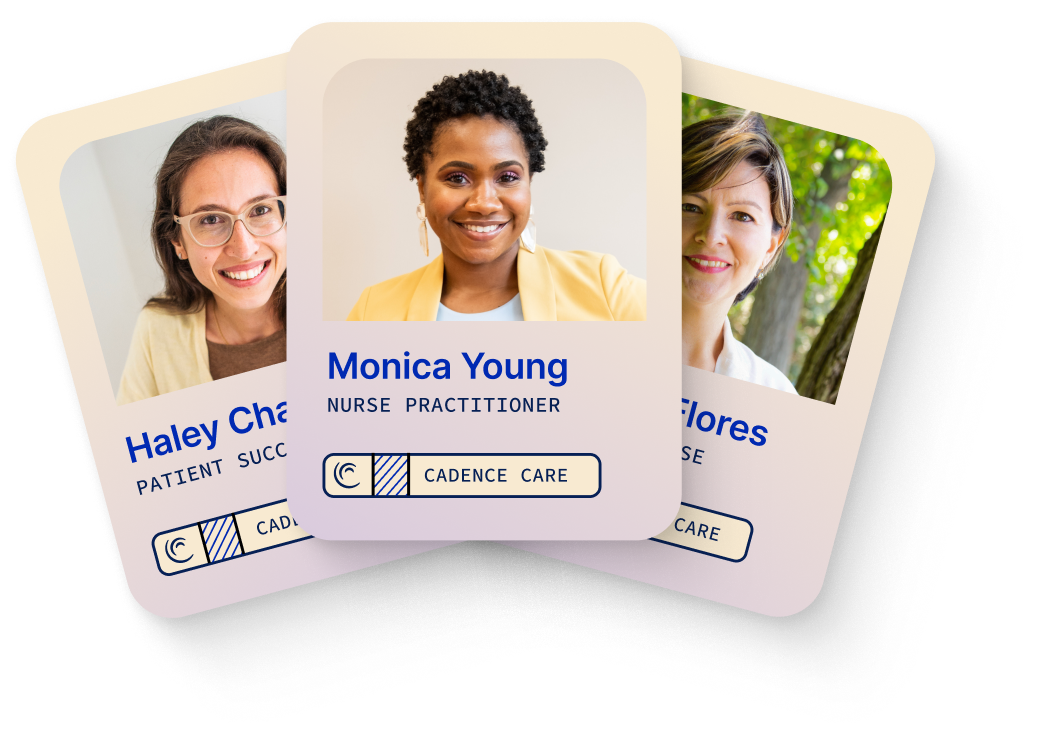
Your superpowered care team

Support when you need it, 24/7
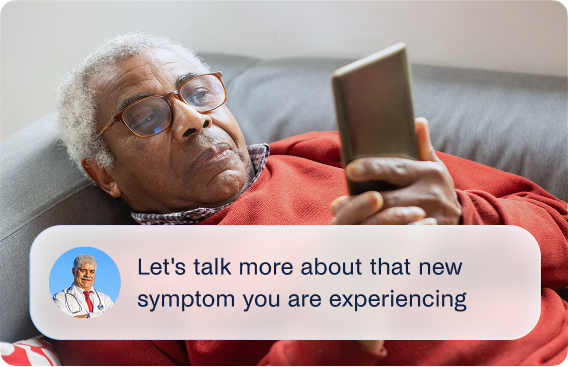
Your care team is available around the clock to answer health questions, check on symptoms, offer peace of mind, and, if applicable, monitor your vital readings when you need it most.

Coordination to keep you on track
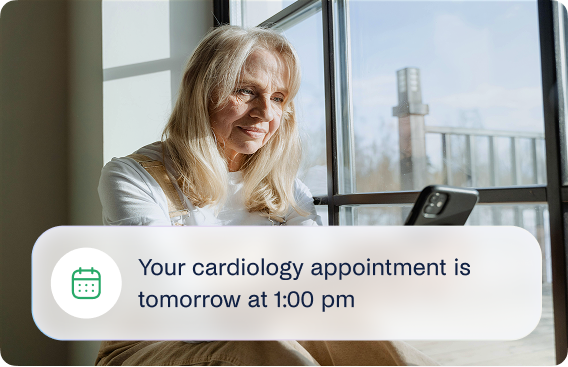
We help schedule the care you need, including checkups, prescription refills, and follow-up visits, so it's easier to stay organized and focused on what matters most.

Coaching that fits your life
Receive simple, one-on-one guidance on diet, activity, medications, and daily routines — all based on your personal health goals, so you can make changes your primary care doctor supports.


Get started anytime
Whether it’s refilling medications, planning meals, or scheduling your next appointment, we work with your clinician to help, whenever you might need it. Text or call anytime.

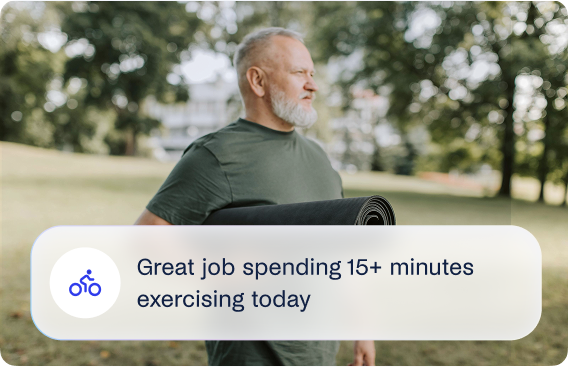
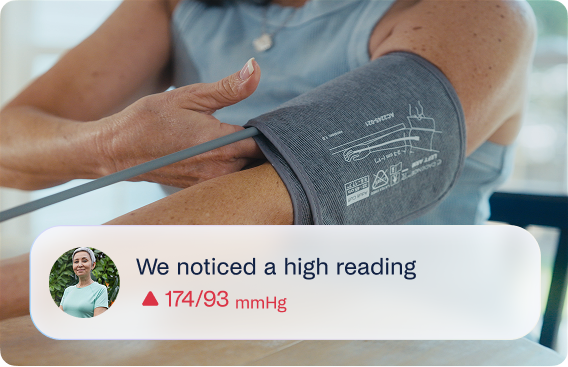
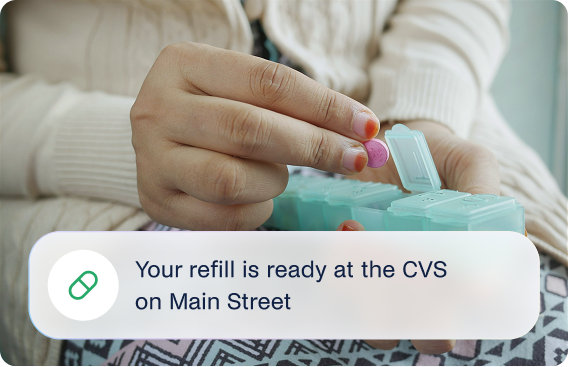
How home monitoring services works
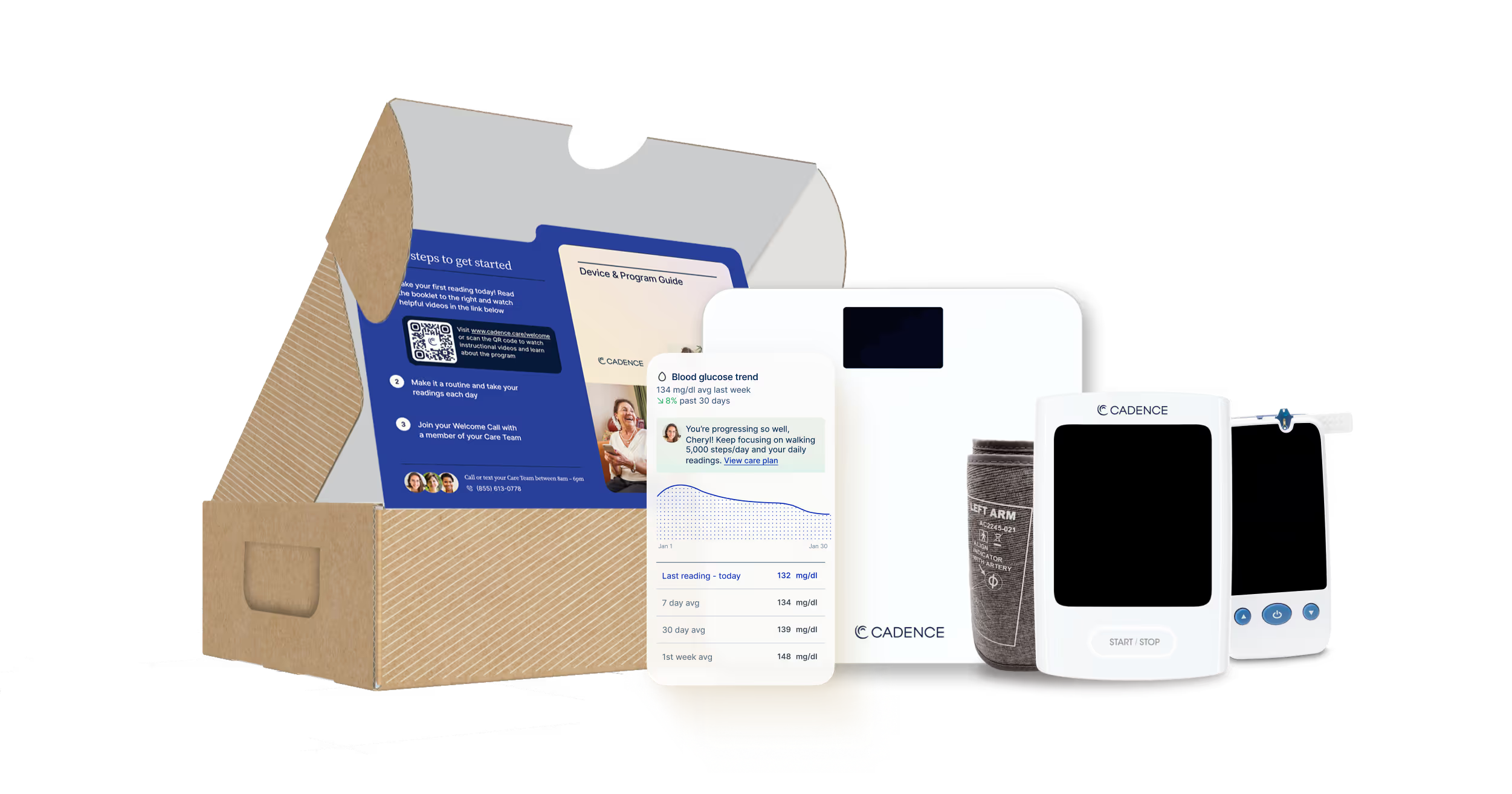
Once enrolled, you'll receive an easy-to-use device, such as a blood glucose meter, blood pressure cuff, or weight scale.
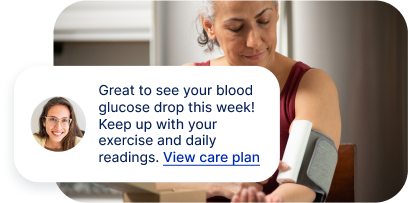
After you use the device, your vital sign readings are automatically sent to Cadence and your MemorialCare care team, allowing for ongoing monitoring between scheduled office visits.

Cadence will also schedule regular telephone visits with you for ongoing support and education.
Frequently asked questions from patients
How much does Cadence cost?

Remote patient monitoring is a covered benefit under Medicare and Medicare Advantage and many patients see little to no cost for the Cadence program. Monthly costs vary based on whether a patient has met their deductible, how patients use the program, and their types of insurance coverage. The services Cadence provides are delivered under the supervision of your provider, and your doctor bills your insurance directly for remote patient monitoring services. If you are considering enrolling in Cadence and have questions about how much it could cost, it is recommended to call your insurance company directly and share the billing codes for an estimate (provided below):
• Device Setup: 99453
• Data Collection: 99454
• First 20 minutes of provider time: 99457
• Each additional 20 minutes of provider time: 99458
If you are enrolled in Cadence and have questions about your bill, please contact Cadence at help@cadencerpm.com.
How often should I take my readings?
Please take your readings every day. If you’re going to be away from your home, please take your devices with you. If for any reason you are unable to take your readings, please let us know.
How do I enroll?
Enrolling is as easy as talking with your doctor. You may already be eligible for Cadence if you have a chronic condition. At your next appointment, ask your doctor if Cadence is right for you, and connect with one of our enrollers to get started.
Can I take my readings more than once a day?
If you are not feeling well, we encourage you to take another reading on the same day. The Cadence Care Team is on call around the clock, 24/7. If you have a question about your health or your device, reach out to the team at 855-613-0778 via text or phone call.
What happens if I don’t receive a text confirmation after taking my reading?
If you are not receiving text confirmations, try relocating your devices to a location with better connectivity or cellular service. If the problem persists, please reach out.
What happens if my equipment is damaged or lost?
If your equipment is damaged or defective, we will replace it for you immediately at no cost to you.
How does Cadence keep patient data safe?
Protecting your health information is fundamental to the trust you place in us and the care we provide. We use advanced security technology and rigorous privacy and security practices to help keep your data secure and private. Cadence follows HIPAA, the federal law that sets strict requirements for protecting health information, and hires an independent auditor to evaluate our security controls through an annual SOC 2 Type II audit—a widely recognized security audit that tests whether those safeguards are working effectively over time. Our protections include encryption, security monitoring, and access controls designed to help prevent unauthorized access and limit your information to authorized people who need it to provide or support your care.