Better Numbers, Better Heart Health
For those managing chronic conditions, the physiological perks of volunteering are backed by significant clinical research.
Blood pressure and cholesterol: A study published in The Gerontologist found that volunteers have a significantly lower risk of hypertension compared to their peers. Volunteering has been shown to improve “good” HDL cholesterol and reduce abdominal fat, both of which are critical for heart health.
Blood sugar management: Active service helps regulate blood glucose levels. Whether you are sorting donations or guiding tours, the increased movement and reduced stress levels contribute to better metabolic control for those with Type 2 diabetes.
Reduced mortality risk: In a study of 13,000 adults over age 50, those who volunteered had a lower risk of death over a four-year period, even when accounting for pre-existing health conditions.
The Two-Hour Threshold
How much volunteering do you need to do to see these benefits? Researchers have found a sweet spot: 100 hours per year.
The goal: Just 2 hours a week of service is the minimum threshold necessary to start seeing measurable improvements in your physical health and longevity.
The Science of “Doing Good”
Volunteering is not just a nice thing to do; it actually changes your brain chemistry to fight the physical toll of chronic illness.
The dopamine effect: Helping others triggers the release of dopamine. This creates a natural calm that lowers systemic inflammation and reduces the risk of heart disease and stroke.
Stress mitigation: Chronic stress is a major catalyst for worsening congestive heart failure or hypertension. The sense of appreciation and relaxation gained from service acts as a buffer against the hormones that strain your heart.
A soul-nourishing buffer: Loneliness has a surprisingly large negative impact on physical health. By building a social support system through volunteering, you combat the isolation that often accompanies aging and managing a long-term illness.
Finding Your Purposeful Environment
You do not have to run a marathon to be active. Volunteering allows you to match your physical capabilities with meaningful work:
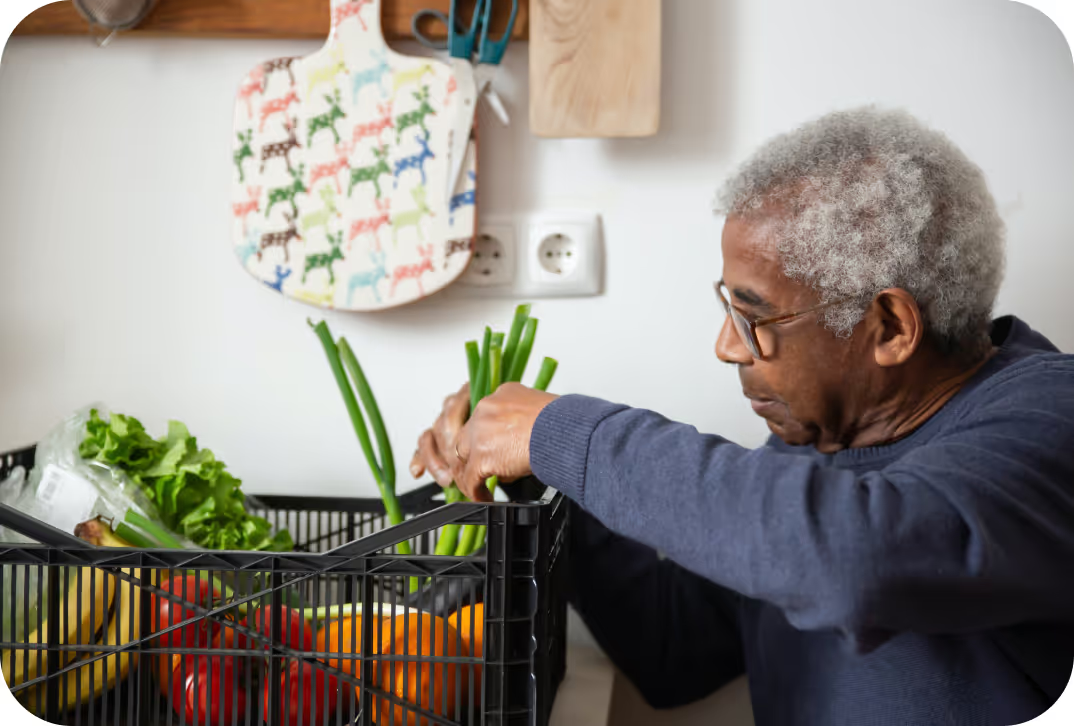
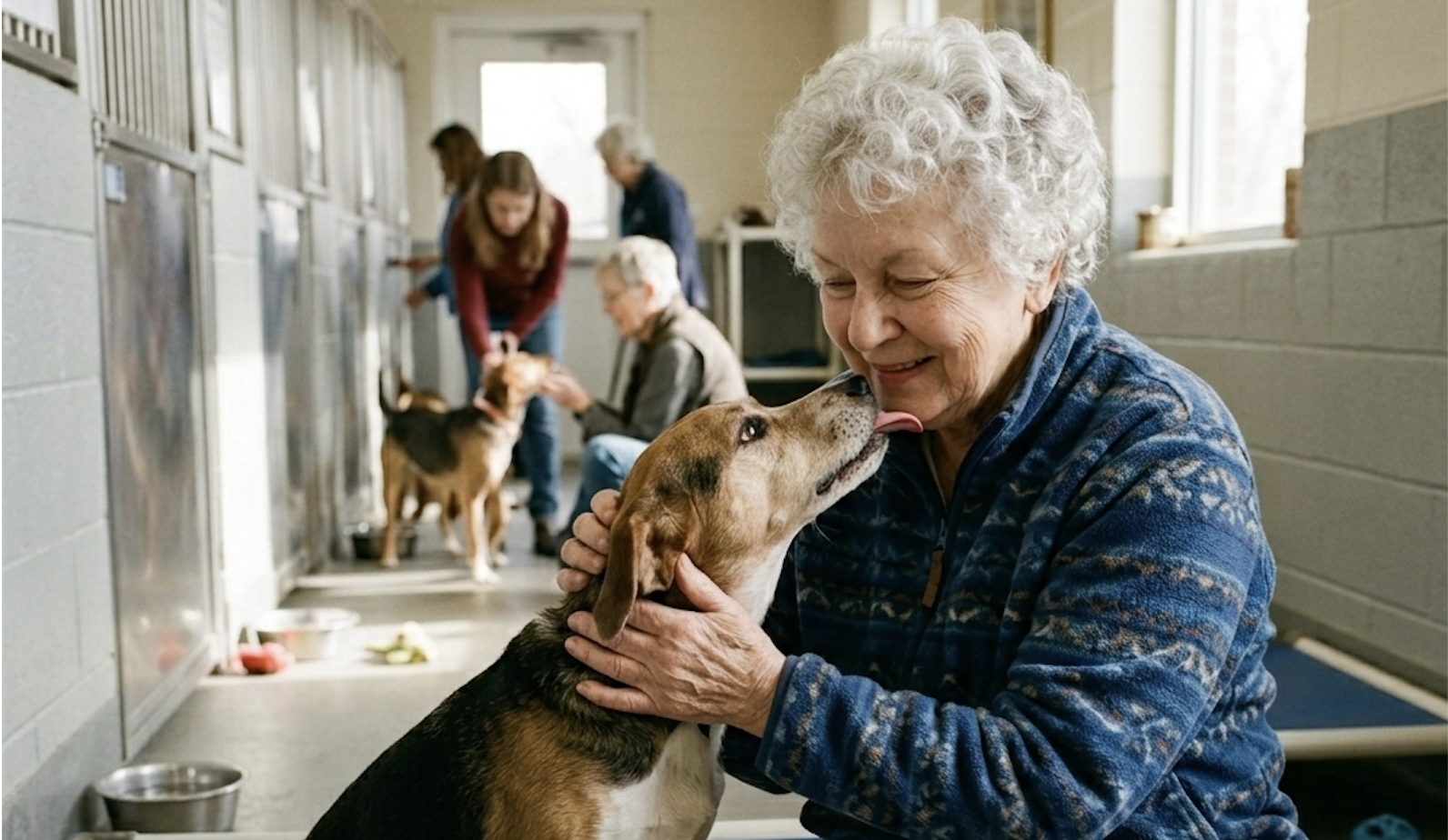
Active service: Packing crates at a food pantry or walking dogs at a shelter provides “functional exercise” that keeps you moving.
Skill-based service: Using craft skills to make blankets for patients or helping peers navigate pension benefits provides a deep sense of purpose and self-growth.
Inspiring spaces: Volunteering in gardens, libraries, or museums offers access to restful, beautiful environments that provide a “mental vacation” from the stress of medical appointments.
Getting Started
Volunteering is one of the few health interventions that feels as good as it works. By stepping out into your community, you are not just giving your time, you are strengthening your heart, one hour at a time. Look into local community centers, hospitals, public gardens, museums, or libraries to find opportunities to volunteer.
Sources
- https://www.mayoclinichealthsystem.org/hometown-health/speaking-of-health/3-health-benefits-of-volunteering
- https://pmc.ncbi.nlm.nih.gov/articles/PMC10159229/
- https://www.sciencedirect.com/science/article/pii/S2667321522000233
- https://www.heart.org/en/news/2023/05/30/help-others-help-yourself-why-volunteering-can-be-good-for-you
- https://academic.oup.com/gerontologist/article-abstract/56/5/937/2605275?redirectedFrom=fulltext&login=false
Any information provided on this website is intended for general educational purposes and is not intended to be medical advice. You should always consult with your own medical provider about your health and medical questions and never rely on this or any other website alone to make medical decisions. Do not delay seeking medical advice or disregard any medical advice you have received from your provider because of anything you read on the website.