
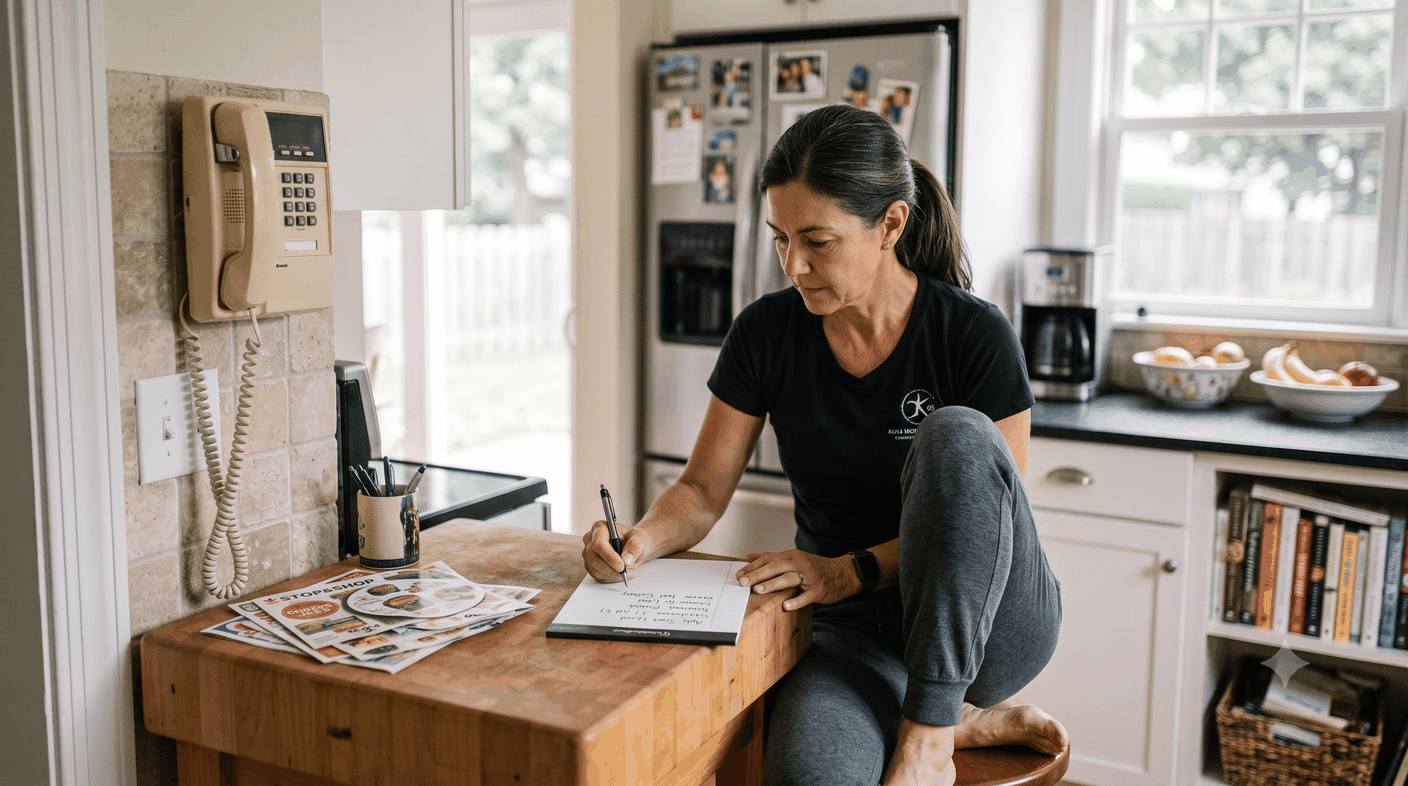
Taking steps toward a healthier way of eating is one of the kindest things you can do for your body. Whether you are managing high blood pressure, type 2 diabetes, or heart health, the Mediterranean diet is a flexible, flavorful approach that focuses on what you can eat rather than what you cannot.
This is not about being perfect. It is about small, delicious changes that add up over time.
When to Talk to Your Healthcare Provider
Before making changes to your eating habits, it is always a good idea to have a quick chat with your care team. This is especially important for safety:
- Sodium and heart health: If you have congestive heart failure or hypertension, your doctor may have specific goals for your salt intake.
- Managing blood sugar: If you have type 2 diabetes, you will want to discuss how to balance the healthy grains and fruits in this plan with your current medication or insulin.
- Medications: If you take blood thinners like Warfarin, talk to your doctor about how many leafy greens you should eat, as these can interact with your medicine.
- Fluid intake: For those with heart failure, check if you have a daily fluid limit before increasing your water or milk intake.
The Healthy Plate: Simple and Approachable
You do not need fancy scales or measuring cups for every meal. A great trick is to use an 8-inch or 9-inch plate, about the size of a salad plate. This helps with natural portion control while still leaving you feeling satisfied.
How to fill your plate:
- Fill half with non-starchy vegetables: Think carrots, broccoli, spinach, green beans, or peppers. These are high in fiber and nutrients but low in calories.
- Fill one-quarter with healthy grains or starches: Choose things like brown rice, whole-wheat pasta, oatmeal, corn, or potatoes.
- Fill one-quarter with lean protein: Focus on fish, skinless poultry, beans, lentils, eggs, or tofu.
Healthy Eating Starts at the Store
You do not need a specialty grocery store to eat well. Mediterranean eating can be very budget-friendly by using these tips:
- Frozen and canned are great: Frozen vegetables are just as nutritious as fresh and last longer. When buying canned beans or fish, look for low sodium or no salt added.
- Always rinse canned beans under water to remove extra salt.
- Buy in season: Fruits and vegetables like apples in the fall or berries in the summer are cheaper and taste better when they are in season.
- Protein on a budget: Canned tuna, salmon, and dried beans or lentils are excellent, inexpensive protein sources that stay fresh in your pantry for a long time.
- Healthy fats: Look for olive oil or canola oil. You can also get healthy fats from a small handful of unsalted peanuts or seeds.
A Realistic Menu
Whether you live in a busy city or a quiet rural town, these meals use common ingredients found in most American kitchens.
Breakfast Ideas
- Oatmeal Power Bowl: 1 cup of oatmeal topped with a spoonful of walnuts or pumpkin seeds and a handful of berries, fresh or frozen.
- Classic Peanut Butter Toast: 2 slices of whole-wheat toast with 2 tablespoons of natural nut butter and a small apple on the side.
- Garden Omelet: 2 eggs or egg whites scrambled with a large handful of spinach and topped with a little salsa. Serve with a side of melon or a small orange.
Lunch Ideas
- Easy Tuna Salad: Canned tuna mixed with plain Greek yogurt instead of heavy mayo and diced celery. Serve it on a whole-wheat wrap or over a bed of greens.
- Warm Bean Soup: 1 to 2 cups of low-sodium lentil or black bean soup. Pair it with half a whole-wheat pita and some carrot sticks.
- The “Everything” Salad: A big bowl of greens and tomatoes topped with 1/2 cup of chickpeas, a sprinkle of feta cheese, and a drizzle of olive oil and lemon juice.
Dinner Ideas
- Hearty Turkey Chili: Ground turkey or chicken simmered with canned beans, tomatoes, and onions. Serve with a slice of avocado and low-fat cheese.
- Sheet Pan Fish and Veggies: Bake a piece of white fish, like tilapia or cod, or salmon with frozen broccoli and sliced bell peppers. Season with herbs and lemon instead of salt.
- Chicken and Vegetable Stir-Fry: Saute bite-sized chicken pieces with plenty of colorful veggies, such as cabbage, carrots, and onions, in a little olive oil. Serve over whole-wheat pasta or quinoa.
Snack Ideas
- Popcorn: 3 cups of air-popped or light microwave popcorn. Skip the extra butter and salt.
- Apple & Cheese: One medium apple with a light string cheese or a small handful of unsalted nuts.
- Veggie Dip: 1/4 cup of hummus or Greek yogurt dip with cucumber slices or bell pepper strips.
Remember: this journey is about progress, not perfection. If you have a meal that is not “on plan,” do not worry. Just try to add a vegetable to your next one. You’ve got this.
References
- https://www.hopkinsmedicine.org/health/wellness-and-prevention/take-your-diet-to-the-mediterranean
- https://my.clevelandclinic.org/health/articles/16037-mediterranean-diet
- https://pubmed.ncbi.nlm.nih.gov/34423871/
- https://www.ahajournals.org/doi/10.1161/CIR.0000000000001146?url_ver=Z39.88-2003&rfr_id=ori:rid:crossref.org&rfr_dat=cr_pub%20%200pubmed
- https://www.health.harvard.edu/staying-healthy/healthy-eating-plate
Any information provided on this website is intended for general educational purposes and is not intended to be medical advice. You should always consult with your own medical provider about your health and medical questions and never rely on this or any other website alone to make medical decisions. Do not delay seeking medical advice or disregard any medical advice you have received from your provider because of anything you read on the website.