
There is a lot of mixed information out there about whether or not fruit can be a regular part of a healthy diet, especially when you are managing diabetes. Fortunately, the research is clear: not only can fruit be incorporated into your diabetes management plan, but it can actually be helpful in lowering your fasting blood sugar.
When to Talk to Your Healthcare Provider
While increasing fruit is safe for most people, it is always a good idea to check in with your doctor or a registered dietitian.
The Effect on Blood Sugar
Eating more fruit helps lower your baseline blood sugar. It makes your body much more efficient, meaning you do not have to produce as much insulin to process your food. This is incredibly important because having too much insulin in your system is linked to obesity, high blood pressure, and heart disease. For people with diabetes, adding more fruit to your diet, as long as you are not increasing your total daily calories, is a great way to protect against these conditions and even lower your risk of cancer.
The Difference is in the Fiber
While fruit contains sugar, the sugar in fruit is completely different from what you find in the sweets, desserts, and sugary beverages you try to avoid. The natural sugars in fruit are bound to fiber, and that is what makes them unique. While the sugar in processed, sugar-sweetened food is absorbed immediately, the sugars in fruit only become available as the fiber is broken down during digestion. This means the sugar is released into your bloodstream slowly, preventing large blood sugar spikes and providing steadier energy over time.
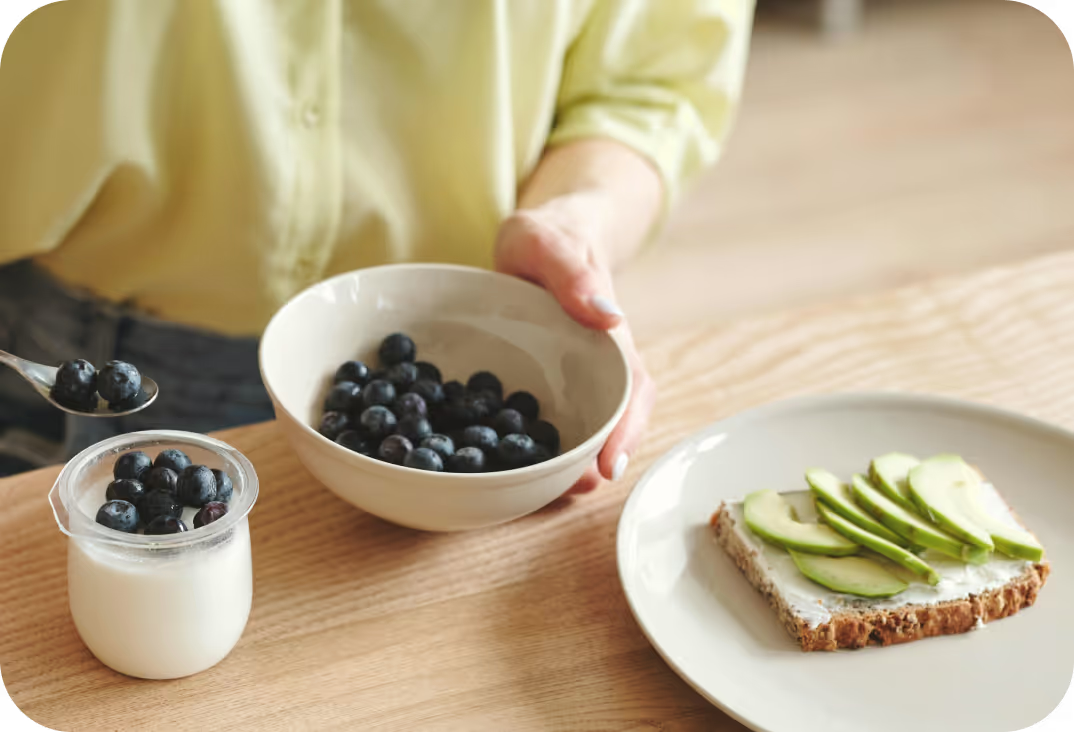
To increase these benefits even further, you can pair your fruit with protein or healthy fats, like eating an apple with peanut butter or tossing berries into Greek yogurt.
How to Choose Your Fruit
When picking out fruit, what matters most is that it is whole fruit with its fiber still intact. This means choosing unsweetened frozen fruit, which is less likely to spoil before you can eat it, is just as beneficial as buying fresh. Canned fruit can still be a good option, though the fiber content is slightly reduced during processing, as long as it is packaged in water or 100% juice with no added sugars. Unsweetened dried fruit is also a great choice, but you have to pay close attention to serving sizes. Because the water has been removed, it is less filling and much easier to accidentally overeat.
Why You Should Choose Berries
Berries such as blueberries, raspberries, cranberries, and strawberries are especially great for your overall health. They are very high in fiber and lower in sugar than most other fruits. They help keep your blood sugar and cholesterol in check, protect your cells from damage, and keep your arteries clear. A handful of blueberries as a snack or a serving of raspberries sprinkled over your oatmeal is a delicious way to incorporate more fruit into your daily routine.
Bonus Health Benefits
Fresh fruits are low in calories but packed with fiber, vitamins, and special plant nutrients called polyphenols. Eating them keeps your gut healthy, helps prevent complications associated with diabetes, and gives your body a powerful defense system to fight off germs, reduce inflammation, and protect your cells from damage and aging.
How Much Can You Eat?
Try to eat about three portions of fruit spread throughout your day rather than all at once. A standard portion is about the size of a baseball or a small bowl of berries, about 1 cup or 1 medium-sized piece of fruit. For heavier, sweeter fruits like bananas or mangos, cut that portion in half. A small handful, about 2 tablespoons to 1/4 cup, of dried fruit works great too.
Perfect Pairings for Steadier Blood Sugar
Pairing your fruit with a source of protein or healthy fat is the ultimate blood sugar hack. The protein and fat work together with the fruit’s fiber to slow down digestion even further, keeping you full, satisfied, and your energy levels stable.
- Apples & Almond Butter: Slice up a medium apple and dip it in 1 to 2 tablespoons of unsweetened almond or peanut butter.
- Berries & Greek Yogurt: Toss a handful of your favorite berries, like raspberries or blueberries, into a half-cup of plain, unsweetened Greek yogurt. The yogurt provides a protein boost.
- Grapes & Cheese: Pair a small handful of grapes with a piece of string cheese or a few cubes of sharp cheddar for a classic sweet-and-savory snack.
- Peaches & Pecans: Enjoy a fresh peach or plum alongside a small handful, about 1/4 cup, of raw or roasted nuts like pecans, walnuts, or almonds.
- Half a Banana & a Hard-Boiled Egg: A fantastic grab-and-go option for a quick morning snack or a pre-workout energy boost.
- Dried Fruit & Pumpkin Seeds: Mix a small portion, about 2 tablespoons, of unsweetened dried fruit with a handful of pumpkin or sunflower seeds for a homemade, diabetes-friendly trail mix.
At the end of the day, managing diabetes does not mean you have to say goodbye to sweet flavors. By choosing whole fruits, being mindful of your portions, and spreading them throughout the day, you can enjoy nature’s candy while actively improving your health. Go ahead and grab that apple for a midday snack or add those berries to your morning routine. Your body, and your blood sugar, will thank you.
Sources
- https://www.health.harvard.edu/diseases-and-conditions/blood-sugarfriendly-fruits-if-you-have-diabetes
- https://pmc.ncbi.nlm.nih.gov/articles/PMC7202899/
- https://pmc.ncbi.nlm.nih.gov/articles/PMC3978819/
- https://quadram.ac.uk/blogs/the-science-of-how-fruit-affect-blood-sugar/
- https://pmc.ncbi.nlm.nih.gov/articles/PMC10198260/
Any information provided on this website is intended for general educational purposes and is not intended to be medical advice. You should always consult with your own medical provider about your health and medical questions and never rely on this or any other website alone to make medical decisions. Do not delay seeking medical advice or disregard any medical advice you have received from your provider because of anything you read on the website.