Did you know that falls are a leading cause of injury for older adults? While falls are common, here is the most important thing you need to know: falls are not a normal part of aging. You have the power to reduce your risk of falling and maintain your independence. By taking a few simple, proactive steps, you can stay safe, strong, and steady on your feet.
Here are the best, science-backed ways to protect yourself from a fall:
1. Build Your Strength and Balance
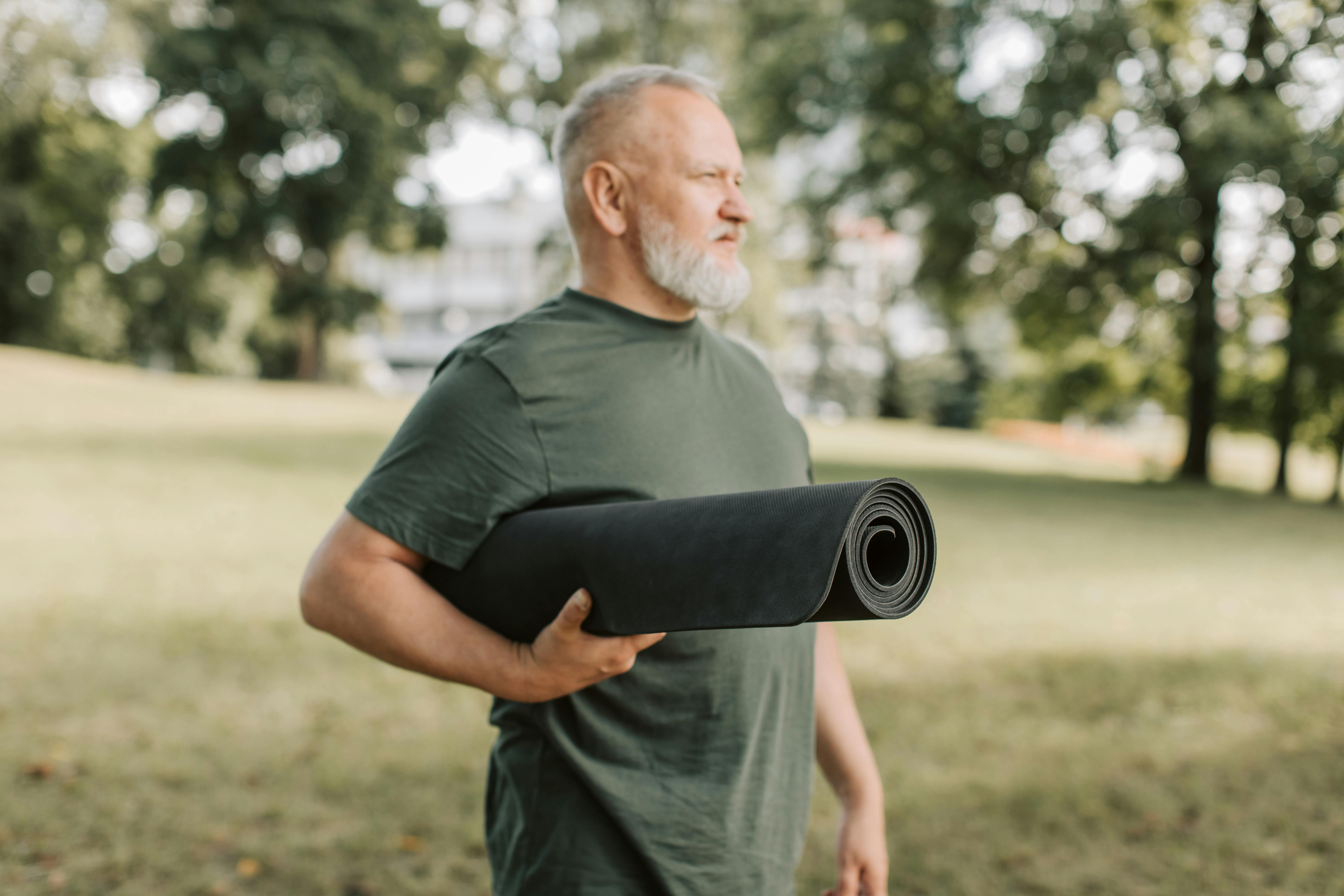
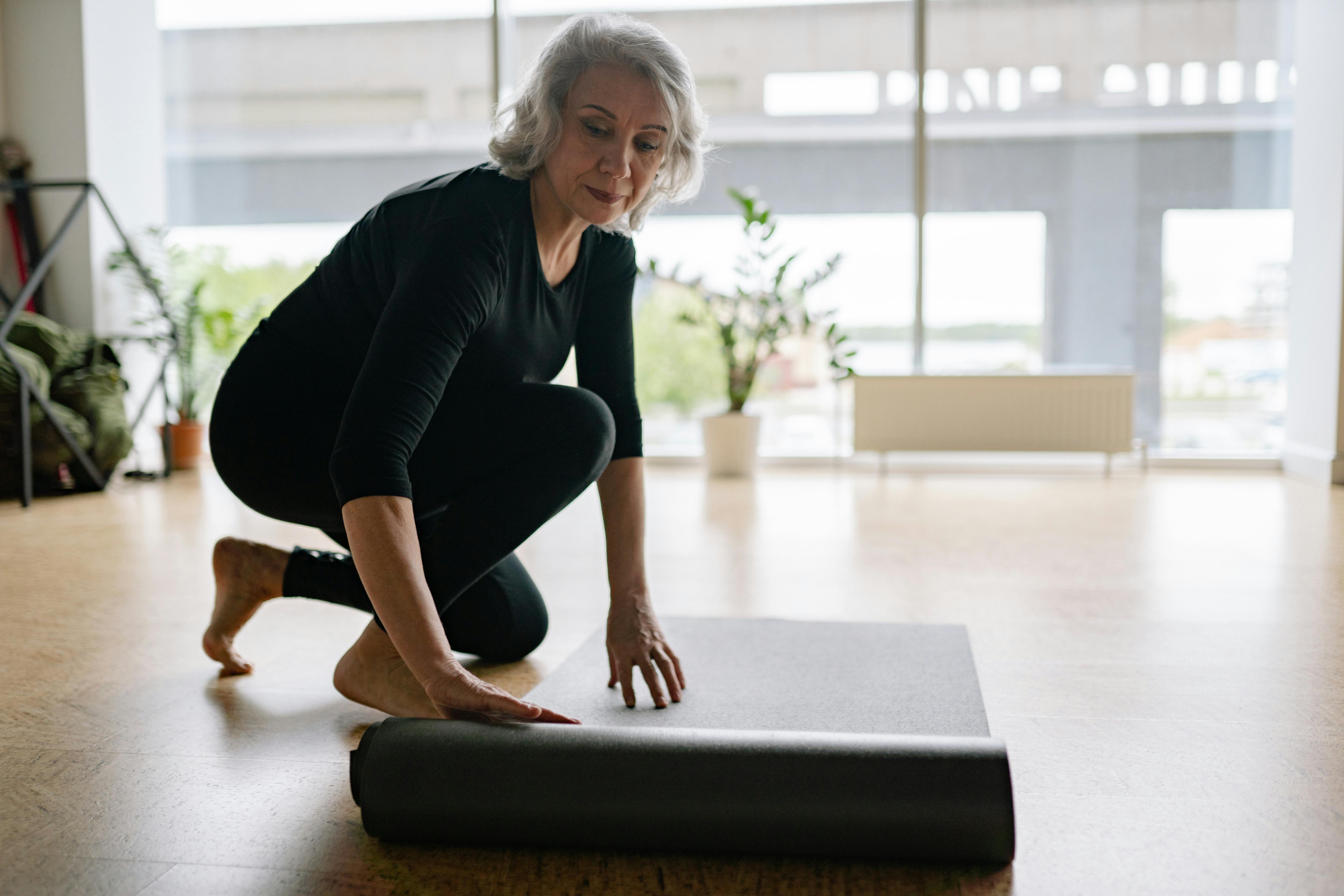
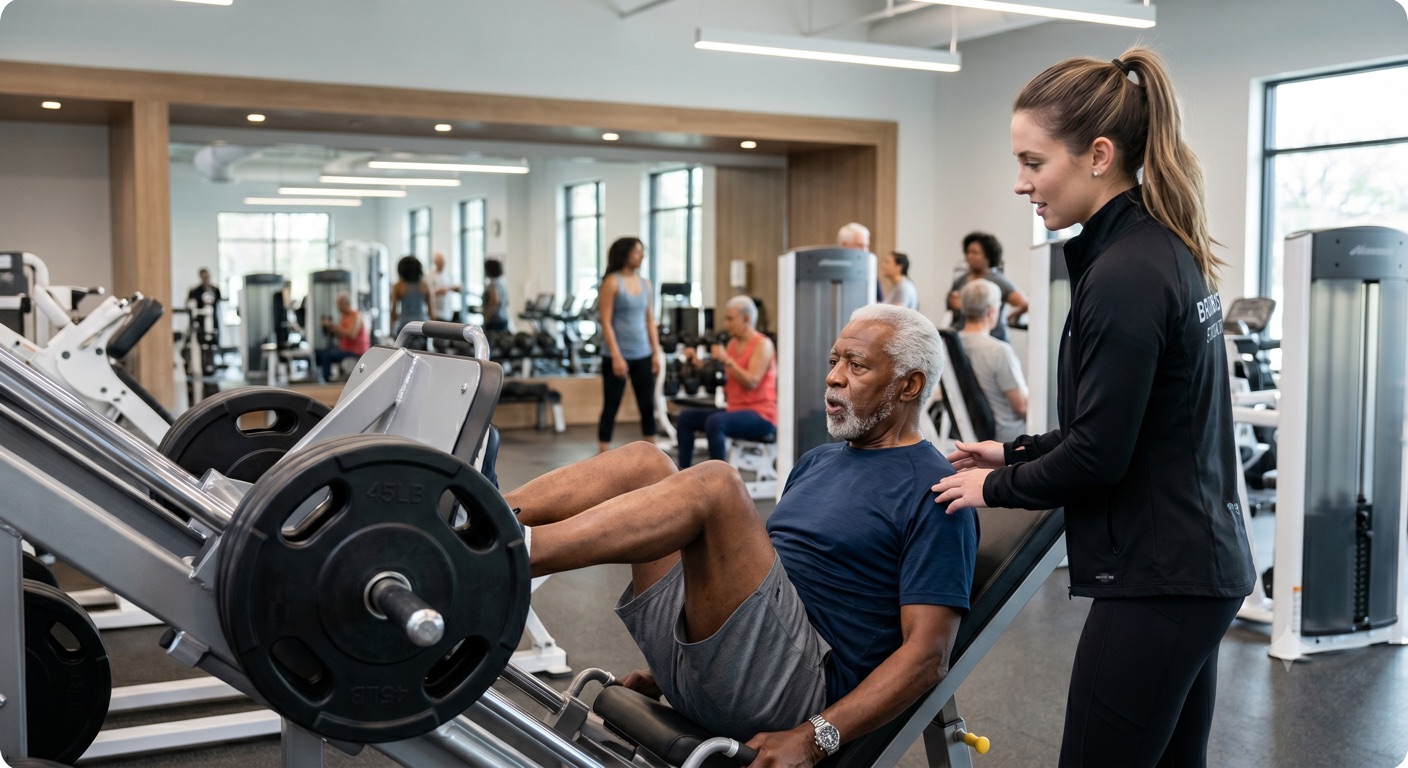
Exercise is one of the single best ways to prevent falls. When your muscles are strong and your balance is sharp, you are much less likely to trip and fall. Sometimes a “fear of falling” makes us want to move less. But moving less actually makes our muscles weaker, which increases the risk of a fall. Start slowly and build your confidence safely.
- What you can do: Look for activities that focus on both strength and balance. Tai Chi is highly recommended for older adults. Physical therapy, water aerobics, or simply doing daily leg-strengthening exercises can make a huge difference.
2. Review Your Medications
Some medicines, even over-the-counter ones, can cause side effects like dizziness, sleepiness, or lightheadedness, which can easily lead to a fall.
- What you can do: Make a list of every pill, vitamin, and supplement you take. Bring it to your doctor or pharmacist at least once a year. Ask them: “Are any of these medications making me dizzy or increasing my risk of falling?” They may be able to adjust your dose, switch the time of day you take it, or switch you to a safer option.
3. Make Your Home a Safe Haven
Many falls happen right at home. A few quick fixes can make your living space much safer.
- Clear the floors: Keep your walkways free of clutter, shoes, and electrical cords.
- Ditch the throw rugs: Small rugs are a major tripping hazard. Either remove them completely or use double-sided rug tape to stick them firmly to the floor.
- Light it up: As we age, our eyes need more light to see clearly. Add bright bulbs to your lamps, and put nightlights in the hallways and bathrooms so you can see where you are going in the dark.
4. Eat Well to Keep Muscles Strong
Good nutrition plays a big role in keeping you steady. If you are not eating enough of the right foods, you can lose muscle mass, making you feel weak or frail.
- What you can do: Make sure you are getting enough protein and essential vitamins, like Vitamin D, which is great for bone health. Eating a balanced diet gives your body the fuel it needs to support your daily activities.
5. Talk to Your Doctor About Your Risk
Your healthcare team is your best partner in fall prevention. Ask your doctor to check your risk for falling. They can perform simple tests to check your walking speed and balance.
- What you can do: Have your eyes and feet checked yearly. Changing your eyeglass prescription or getting better-fitting, sturdy shoes can instantly improve your balance.
Your Next Step
You do not have to do everything all at once. Pick just one thing from this list to do this week. Whether it is picking up a throw rug, scheduling a doctor’s appointment, or signing up for a local balance class, every small step keeps you safer and more independent.
Sources
- https://pmc.ncbi.nlm.nih.gov/articles/PMC12277083/
- https://www.cdc.gov/falls/about/index.html
- https://jamanetwork.com/journals/jama/fullarticle/2802888
- https://pmc.ncbi.nlm.nih.gov/articles/PMC12288927/
Any information provided on this website is intended for general educational purposes and is not intended to be medical advice. You should always consult with your own medical provider about your health and medical questions and never rely on this or any other website alone to make medical decisions. Do not delay seeking medical advice or disregard any medical advice you have received from your provider because of anything you read on the website.